

August 21, 2023
•
2 MIN READ

Sustainability in skincare has moved far beyond recyclable packaging and natural labels. Today, one of the most exciting shifts in beauty is the rise of upcycled skincare ingredients.
Instead of allowing valuable plant materials to go to waste, scientists and formulators are finding ways to transform by-products from the food and drink industry into high-performance cosmetic actives.
It’s a practical, intelligent way to reduce waste while creating effective skincare. And when done well, it supports both your skin and the planet.
Upcycling means taking something that would normally be thrown away and transforming it into something useful and valuable.
In cosmetics, this often involves using by-products from industries such as juicing, brewing or food production. These materials may still contain powerful nutrients, antioxidants or oils, even though they are no longer suitable for food.
Rather than disposing of them, ingredient manufacturers extract and refine these compounds into safe, effective cosmetic ingredients.
This is different from recycling. Recycling breaks materials down and repurposes them. Upcycling keeps the value high, turning waste into something even more beneficial.
Globally, huge amounts of plant material are discarded during food processing. Skins, seeds, pulp and grains often go unused, despite being rich in beneficial compounds.
By recovering these materials, cosmetic science helps prevent unnecessary waste and reduces pressure on agricultural resources.
“Circular beauty” is a term you may have seen more recently. It refers to designing products and systems that minimise waste and keep materials in use for as long as possible.
Upcycled skincare ingredients are a practical example of circular thinking. Instead of growing more crops solely for cosmetics, we make better use of what already exists.
When used thoughtfully, upcycled ingredients are not just a marketing trend. Many are genuinely rich in antioxidants, polyphenols and skin-supporting nutrients.
Of course, not every sustainability claim is equal. Understanding greenwashing in skincare can help you look beyond buzzwords and assess whether a brand’s sourcing and formulation choices are truly responsible.
As a formulator, I’m always interested in ingredients that combine performance with responsible sourcing. When sustainability and efficacy meet, that’s where skincare becomes truly exciting.
Upcycled ingredients now appear across many areas of cosmetic formulation. From fruit by-products to marine biomass, innovation continues to expand what is possible.
Fruit pulp and skins left behind after juicing can still be rich in antioxidants and phytonutrients. Rather than being discarded, these by-products can be refined into cosmetic ingredients that support skin vitality.
Blueberry NECTA® is one example. Derived from the by-products of the juicing industry, it transforms leftover blueberry material into an antioxidant-rich active suitable for skincare. The upcycling process helps recover valuable plant compounds that would otherwise be wasted.
This approach demonstrates how thoughtful sourcing can reduce waste while maintaining performance.

Brewing and fermentation industries also generate nutrient-rich by-products. Barley residues, for example, still contain beneficial compounds after fermentation and can be refined into cosmetic ingredients that support hydration and skin vitality.
Using these materials reduces reliance on newly cultivated raw ingredients while giving a second life to agricultural resources.
Coffee grounds are one of the most recognisable examples of upcycling in beauty. While often repurposed as gentle exfoliants, innovation now goes further.
Used coffee grounds can be processed to extract coffee oil and antioxidant-rich actives containing caffeine and polyphenols. These ingredients offer skin-conditioning and protective benefits while reducing waste from cafés and food production.
Upcycling is not limited to food by-products. In parts of the Caribbean, Sargassum seaweed has begun to bloom excessively, washing up on beaches and disrupting local ecosystems. As it decomposes, it can release methane and impact marine life.
Some ingredient innovators are now transforming this abundant seaweed into valuable cosmetic materials, including seaweed-based emulsifiers produced through cold-processing methods. This approach helps reduce environmental impact while offering an alternative to virgin raw materials.
If you’re curious about upcycled skincare, here are a few simple tips:
Transparency matters. Not every product labelled “natural” is automatically sustainable, so it’s worth looking a little deeper. Issues like palm oil in skincare show how complex ingredient sourcing can be, and why it’s important to understand what sits behind a brand’s claims.
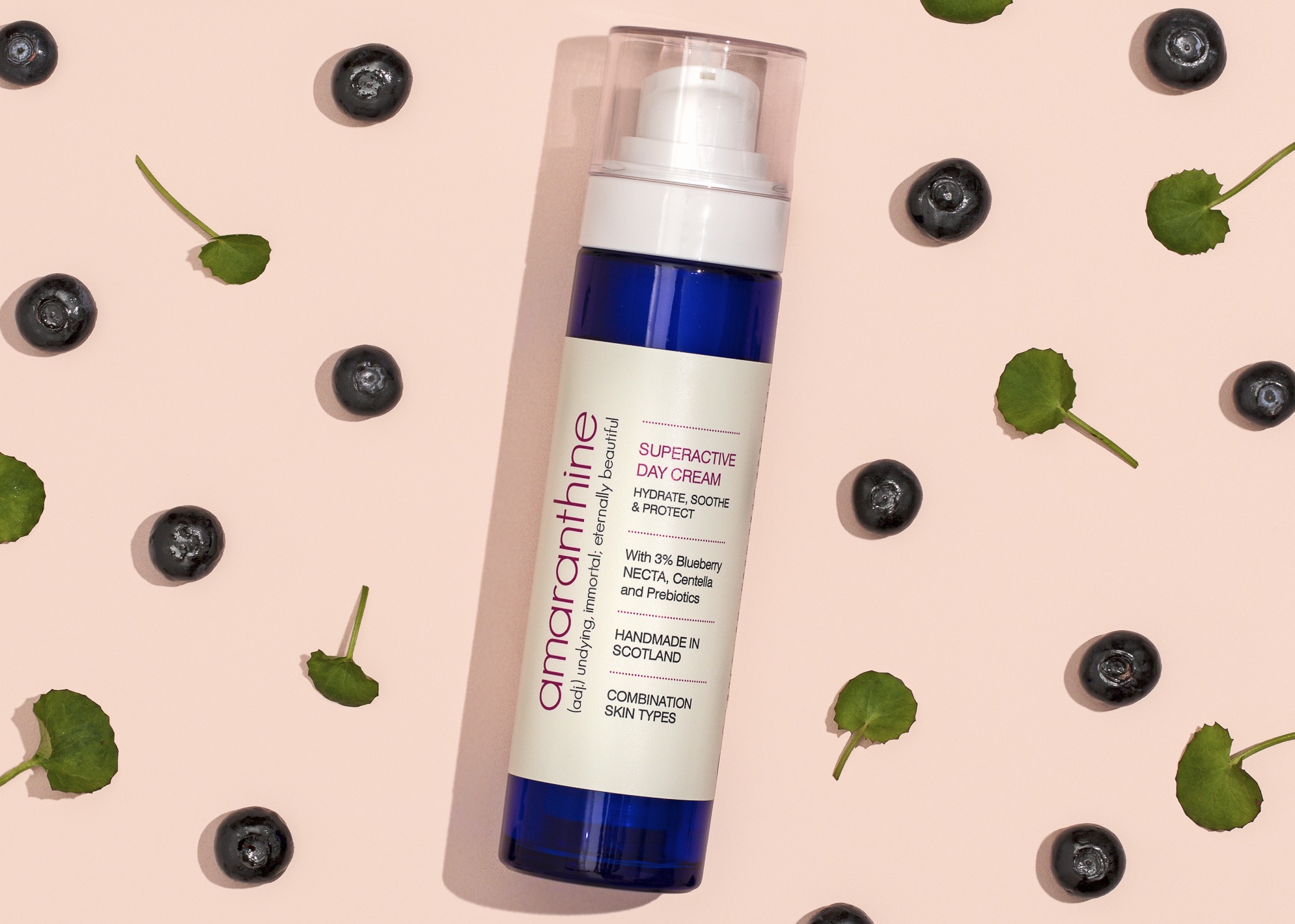
In my Superactive Day Cream, I chose to include both Blueberry NECTA® and Barley TONIQ®.
They align with my values around sustainability and responsible formulation. More importantly, they offer antioxidant support and hydration for combination and normal skin types.
The cream is cruelty-free, certified palm oil free, and packaged in a refillable airless pump bottle to reduce waste further.
Sustainability should not be a single feature. It works best when considered at every stage, from ingredient sourcing through to packaging.
Bringing these upcycled active ingredients together in my Superactive Day Cream allows you to support your skin while also supporting a more circular approach to beauty.
Upcycled skincare ingredients are part of a wider shift towards smarter, more responsible beauty.
They remind us that innovation does not always mean creating something new from scratch. Sometimes, it means recognising value where others see waste.
If sustainability matters to you, choosing formulations that use upcycled active ingredients can be one thoughtful step towards a more circular approach to skincare.
Images courtesy of Full Circle, The Upcycled Beauty Company.


Sarah is the founder of certified palm oil free natural skincare brand Amaranthine. She is a qualified organic skincare formulator and has diplomas in Beauty Therapy and Clinical Aromatherapy.


